8 Jun 2026
Tycoons Drive Casino Sector Consolidation with Major Acquisition Bids in Late May 2026

Tilman Fertitta announced an agreement on May 28 2026 to acquire Caesars Entertainment which operates more than fifty casino resorts in a transaction valued at 17.6 billion dollars and just four days later around June 1 Barry Diller through his ownership of People Inc. submitted a bid that placed a value exceeding 18 billion dollars on MGM Resorts, moves that together point to heightened interest in consolidation across the U.S. casino industry during the spring of 2026.
The Fertitta Agreement Takes Shape
Hospitality mogul Tilman Fertitta reached terms that would bring Caesars Entertainment under his control through Fertitta Entertainment and the deal encompasses an extensive portfolio of properties spanning multiple states while the 17.6 billion dollar figure reflects both real estate holdings and ongoing operations that have drawn attention from investors monitoring the sector. Observers note that such large-scale transactions often follow periods of regulatory approvals and financing arrangements that can extend over several months yet the announcement itself arrived without prior leaks that typically precede similar moves in the gaming space.
Diller Enters with an MGM Bid Shortly After
Barry Diller's subsequent offer around June 1 2026 valued MGM Resorts above 18 billion dollars and positioned People Inc. as a potential new entrant into casino ownership at a scale that rivals existing major players. The timing created immediate comparisons between the two proposals because both targets represent some of the largest operators in the country and the rapid succession of announcements suggested coordinated market momentum rather than isolated events. Analysts tracking public filings have pointed out that MGM's portfolio includes prominent Las Vegas Strip properties alongside regional destinations which could complement Diller's existing media and entertainment assets if the bid advances.
Market Context Surrounding the June 2026 Developments
These bids emerged amid broader recovery patterns in domestic gaming revenue that accelerated after 2023 and industry data compiled by groups such as the American Gaming Association shows consistent year-over-year growth in several key markets through early 2026. The concentration of interest from two prominent figures with backgrounds outside traditional casino management has prompted questions about how ownership structures might evolve if either transaction closes yet regulators in states including Nevada and New Jersey maintain oversight processes that typically review changes in control for licensed operators. Data from the Nevada Gaming Control Board for instance indicates that transfer approvals have historically taken between four and eight months depending on the complexity of the buyer’s background review.
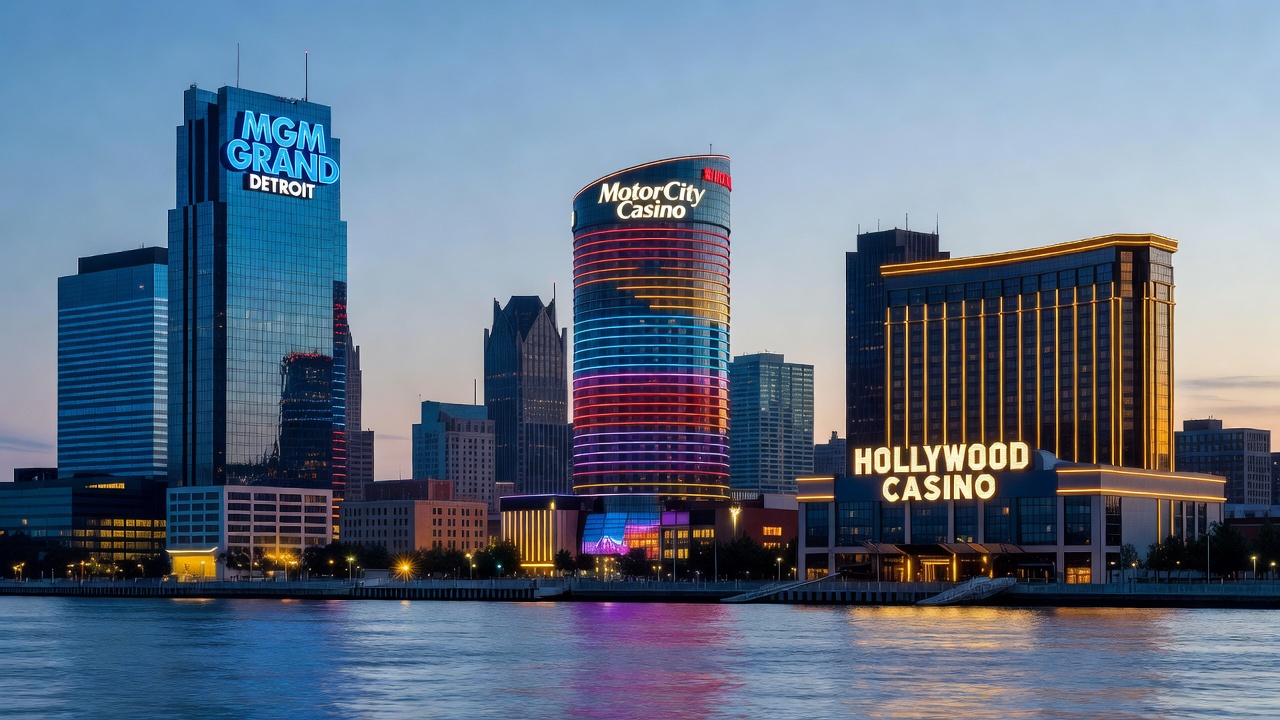
One notable aspect involves the geographic spread of the properties involved since Caesars maintains holdings from Atlantic City to Lake Tahoe while MGM Resorts spans both domestic and international locations and any combined entity would require coordination across multiple state commissions. Researchers at the University of Nevada Reno have documented how cross-state ownership can introduce additional compliance layers but they also note that several existing operators already navigate similar structures without disruption to daily operations. The June timing aligns with earnings season when companies often disclose strategic reviews and this window may have encouraged both Fertitta and Diller to move publicly once internal due diligence reached sufficient maturity.
Potential Ripple Effects Across the Sector
Should either deal proceed the resulting scale could influence supplier contracts labor agreements and marketing partnerships that smaller operators rely upon and trade publications have already begun cataloging which regional competitors might face renewed pressure on margins. External financing markets have shown willingness to support large gaming transactions when backed by established cash flows yet interest rate environments in mid-2026 remain a variable that could affect final valuations. According to coverage in The Economist the two announcements together underscore renewed investor appetite for casino assets that had cooled during earlier economic uncertainty.
State-level gaming commissions continue to monitor market concentration levels and any shift that places more than a certain percentage of statewide slots or table games under single ownership can trigger additional scrutiny under existing statutes. People familiar with prior consolidation waves recall that similar clusters of activity occurred in the late 1990s and again after the 2008 financial crisis each time producing a smaller number of larger operators. The current round differs because the bidders bring media and hospitality expertise that could alter how properties are positioned to non-gaming visitors.
Conclusion
The sequence of announcements beginning May 28 2026 with Fertitta’s Caesars agreement and continuing into early June with Diller’s MGM bid illustrates active pursuit of consolidation within the U.S. casino sector at a scale not seen in recent years. Regulatory timelines financing details and competitive responses will determine whether these specific transactions reach completion yet the events themselves mark a distinct period of strategic repositioning among major industry participants. Further developments through the remainder of 2026 are expected to clarify the extent of ownership changes that ultimately materialize.