27 Jul 2026
Seasonal Campaigns Shape Baccarat Participation Patterns in Major Gaming Markets
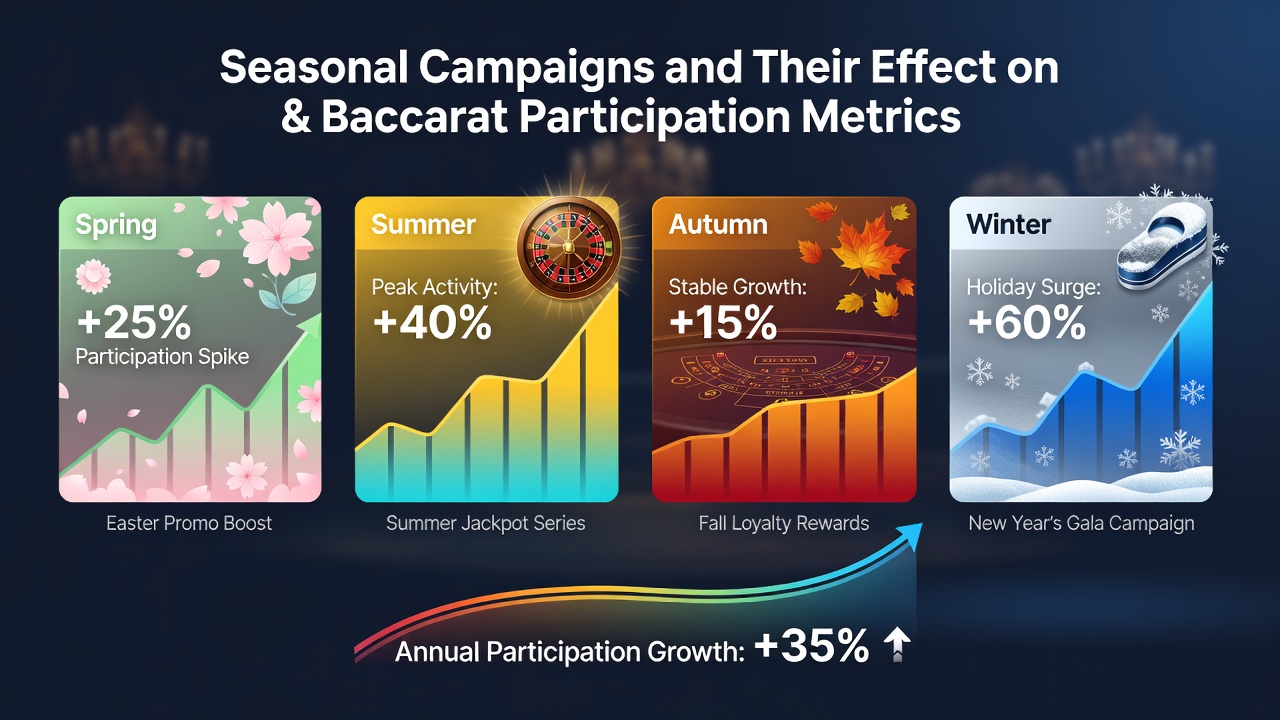
Seasonal campaigns have long served as key drivers for baccarat participation across casino floors worldwide, and operators track these efforts through detailed metrics that reveal clear shifts in player volume, session duration, and wager frequency during targeted periods. Data compiled by regional gaming authorities shows consistent upticks in baccarat table activity when promotions align with major holidays, cultural events, and summer festivals, while participation metrics tend to normalize once campaigns conclude.
Campaign Structures and Regional Timing
Casino operators design seasonal campaigns around predictable calendar events, including year-end holidays, lunar new year celebrations, and mid-year festivals, and these initiatives often feature deposit matches, cashback tiers, and loyalty point multipliers that directly tie to baccarat play. In markets such as Macau and Singapore, Chinese New Year promotions generate measurable increases in table sessions, whereas Las Vegas properties emphasize Fourth of July and Thanksgiving periods to draw both local and tourist participants. July 2026 data from several integrated resorts indicated that summer-themed campaigns, complete with outdoor viewing parties and tiered rewards, produced higher average baccarat participation rates compared with the preceding month.
Key Metrics Under Observation
Analysts monitor several core indicators to assess campaign effectiveness, among them daily baccarat hand counts, average bet size per player, total unique participants per table, and repeat visit frequency within the promotional window. Research from university-affiliated gaming studies demonstrates that participation metrics rise most sharply when campaigns combine visual marketing with immediate reward structures, and operators adjust contribution rates accordingly to balance player acquisition against long-term revenue stability. Figures released by the Nevada Gaming Control Board highlight seasonal variances in baccarat drop amounts during holiday periods, while similar patterns appear in reports covering Australian and Canadian markets.
Comparative Performance Across Jurisdictions
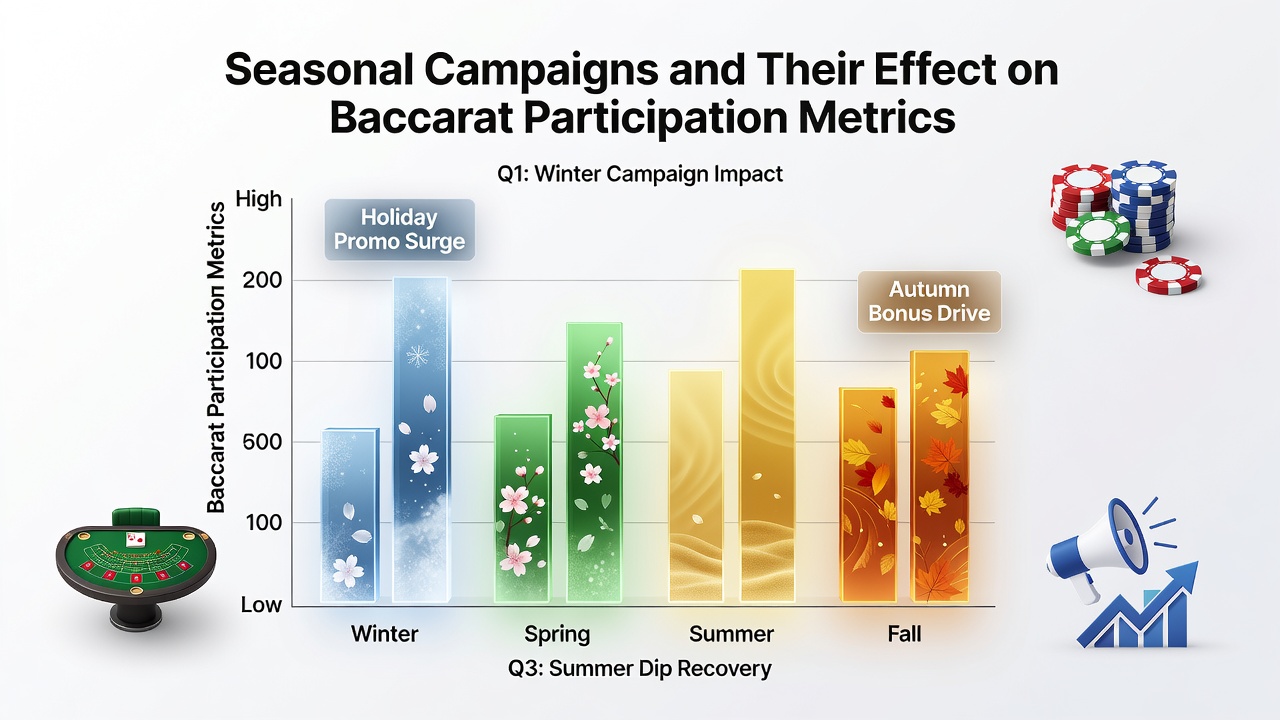
Participation trends differ by jurisdiction because regulatory frameworks and player demographics influence how campaigns translate into actual table time. Asian markets often record stronger responses to lunar calendar events, and European operators note steadier but smaller gains around Christmas and New Year windows. One study conducted through collaborative industry-academic partnerships found that baccarat participation increased by double-digit percentages during aligned campaigns, whereas non-promoted periods showed flatter engagement curves across the same properties. Macau gaming authorities publish monthly breakdowns that allow observers to correlate campaign launches with subsequent metric movements.
Operational Adjustments and Data Feedback Loops
Operators refine future campaigns by reviewing participation data collected during previous seasonal pushes, and they frequently adjust minimum bet thresholds or reward structures to maintain momentum once initial spikes begin to plateau. Casino analysts observe that properties with integrated player tracking systems achieve faster insight into which demographic segments respond most strongly, allowing targeted follow-up offers that extend engagement beyond the original campaign window. Reports from the American Gaming Association indicate that baccarat tables equipped with real-time monitoring tools capture participation shifts more precisely than manual count methods.
Longer-Term Effects on Player Behavior
Evidence suggests that repeated seasonal exposure can alter baseline participation patterns, as some players begin to time their visits around expected promotions rather than random schedules. Tracking data from multi-property operators reveals that baccarat participants who engage during one campaign show elevated return rates during subsequent events, although overall volume still depends on broader economic factors and competing entertainment options. Those who study these cycles note that the relationship between campaign intensity and sustained metric improvement remains consistent across multiple reporting periods.
Conclusion
Seasonal campaigns continue to produce observable effects on baccarat participation metrics, and operators rely on granular data from multiple jurisdictions to optimize timing, reward structures, and marketing reach. As July 2026 figures and subsequent reports become available, patterns established in prior years provide a reliable framework for anticipating how holiday and festival promotions will influence table activity in the months ahead.