30 Jul 2026
Intersecting Live Dealer Incentives with High Roller Qualification in Baccarat

Live dealer baccarat platforms have expanded rapidly, and observers note that incentive structures often align directly with the metrics used to qualify players for high roller programs. Data from multiple jurisdictions shows that wager volume, session frequency, and contribution rates serve as common benchmarks across both live dealer promotions and elite tier advancement.
Core Components of Live Dealer Incentives
Operators structure live dealer incentives around deposit matches, cashback percentages, and table-specific multipliers, and these elements tie into qualification thresholds because platforms track every hand played in real time. Research from industry monitoring groups indicates that live baccarat tables contribute at higher rates than many slot categories, which accelerates progress toward reward tiers during promotional periods. Those who study player tracking systems point out that time-stamped data from live streams feeds directly into the algorithms that flag high-volume participants for VIP consideration.
High Roller Qualification Pathways
Qualification for high roller schemes typically requires sustained wager totals over defined intervals, and casinos apply tiered criteria that include average bet size, total hands dealt, and frequency of play. Reports compiled by gaming associations reveal that live dealer environments generate more granular data points than automated tables, allowing operators to identify emerging high rollers earlier in their activity cycles. In July 2026 several major properties adjusted their qualification windows to include live dealer baccarat sessions explicitly, a shift that synchronized promotional calendars with reward program resets.
Where Incentive Mechanics Meet Qualification Metrics
The intersection appears most clearly when live dealer bonuses apply elevated contribution rates to baccarat wagers, because this adjustment shortens the time required to meet high roller volume thresholds. Analysts at research institutions have documented cases where a single promotional campaign doubled the effective contribution of live baccarat hands, moving qualifying players into higher tiers within the same calendar quarter. Platform architecture plays a role here as well, since real-time leaderboards and progress trackers display both bonus progress and tier advancement on the same dashboard, creating a unified view for players and operators alike.
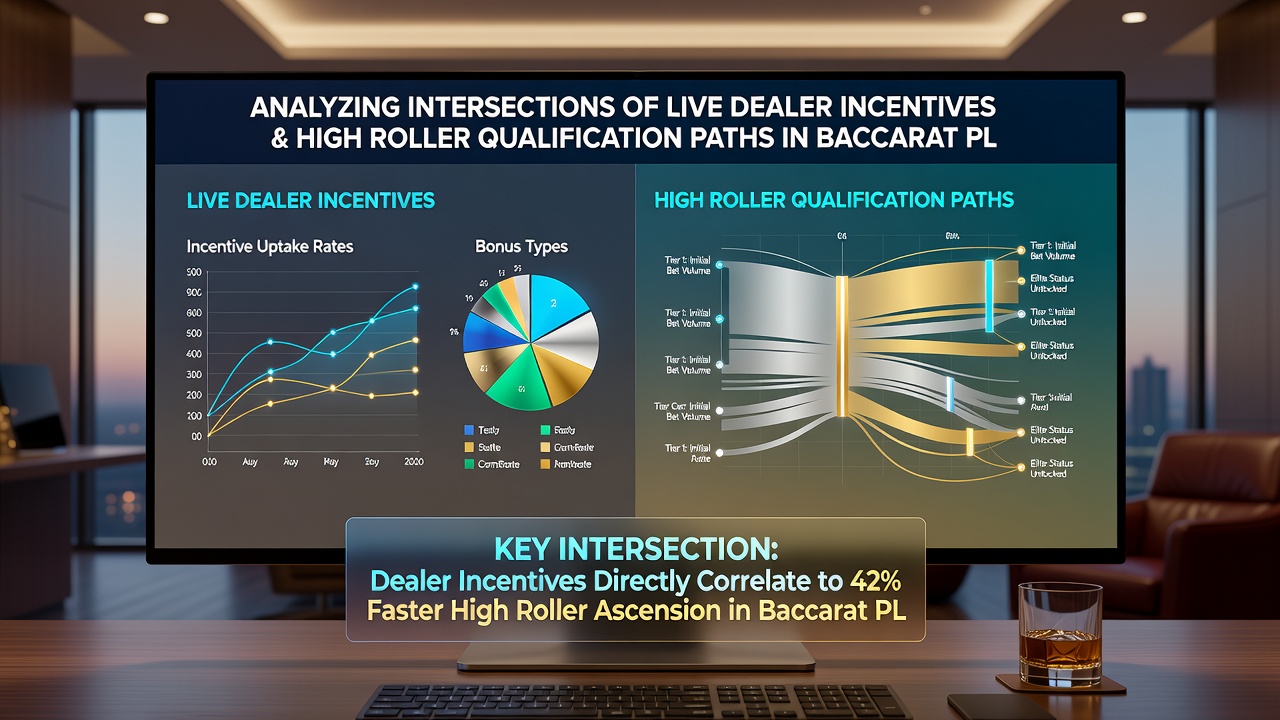
Operators sometimes layer reload incentives on top of existing tier benefits, and this stacking effect produces measurable spikes in live table activity during qualification periods. Figures released by regional gaming authorities demonstrate that live dealer baccarat volume increases notably when cashback offers coincide with tier reset dates. The result is a feedback loop in which promotional participation generates the very data points needed for continued advancement.
Regional Variations in Structure and Timing
North American markets apply different contribution caps than Asian gaming hubs, yet both regions track live dealer sessions with comparable precision. A study conducted by an Australian research center found that synchronized bonus and tier calendars increased average session length by measurable margins across monitored sites. In contrast, European operators tend to separate promotional periods from tier qualification cycles, which reduces direct overlap but still channels live baccarat data into reward calculations. Observers note that these regional differences influence how quickly players can leverage incentives toward high roller status.
Data Integration and Player Tracking Systems
Modern tracking systems integrate live stream metadata with loyalty databases, and this integration allows operators to correlate promotional redemptions with tier progress in real time. Industry reports highlight that live dealer baccarat generates higher per-hand data density than many other table games, which improves the accuracy of predictive models used to forecast qualification timelines. When incentives include table minimum reductions or multiplier events, the resulting data streams often trigger automatic tier evaluations without requiring separate player requests.
Conclusion
Live dealer incentives and high roller qualification paths intersect through shared metrics of wager volume, contribution rates, and session frequency, and the alignment has grown more explicit as platforms refine their tracking capabilities. Evidence from regulatory filings and academic analyses shows that these overlaps shape player progression patterns across multiple markets. As operators continue to refine both promotional calendars and tier structures, the data connections between live dealer activity and high roller status are expected to remain central to baccarat operations.