29 Jun 2026
Digital Baccarat Incentive Structures Reflect Regional Regulatory Landscapes
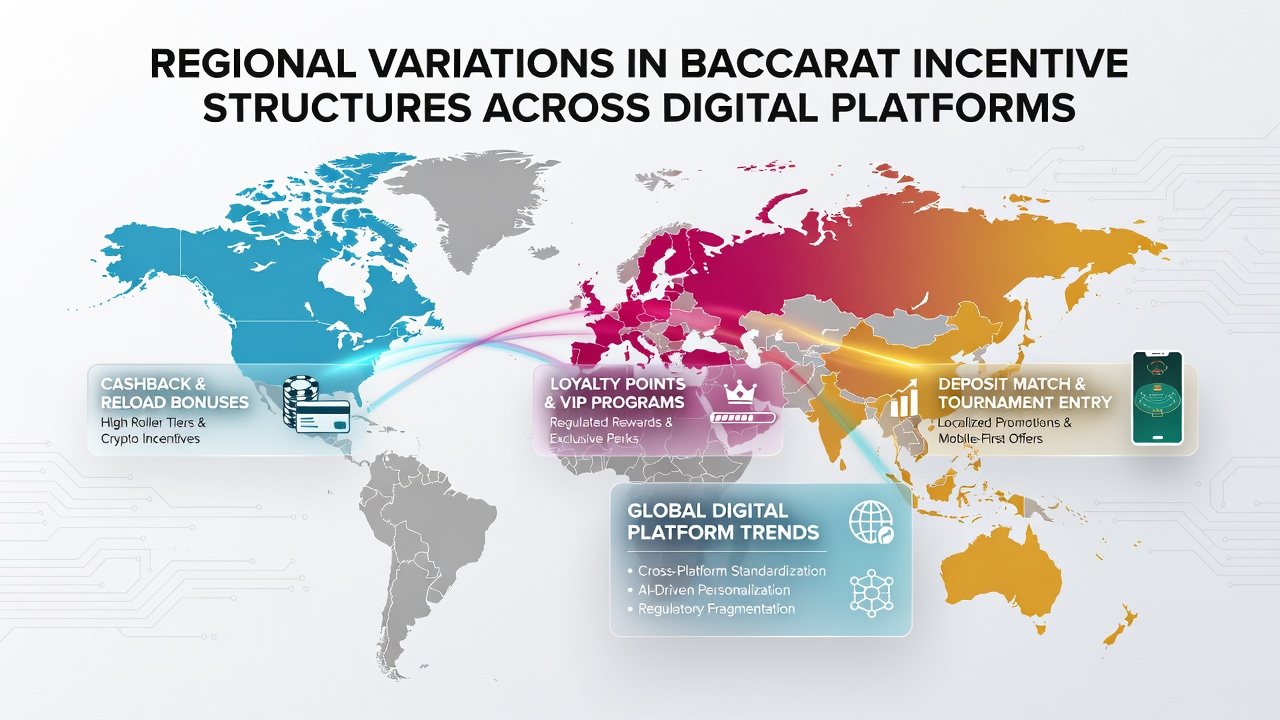
Digital platforms offering baccarat have developed incentive structures that adapt to local regulations, player preferences, and market conditions, creating noticeable differences from one region to another. These variations appear in welcome packages, ongoing promotions, wagering requirements, and loyalty frameworks, all shaped by government oversight and industry practices.
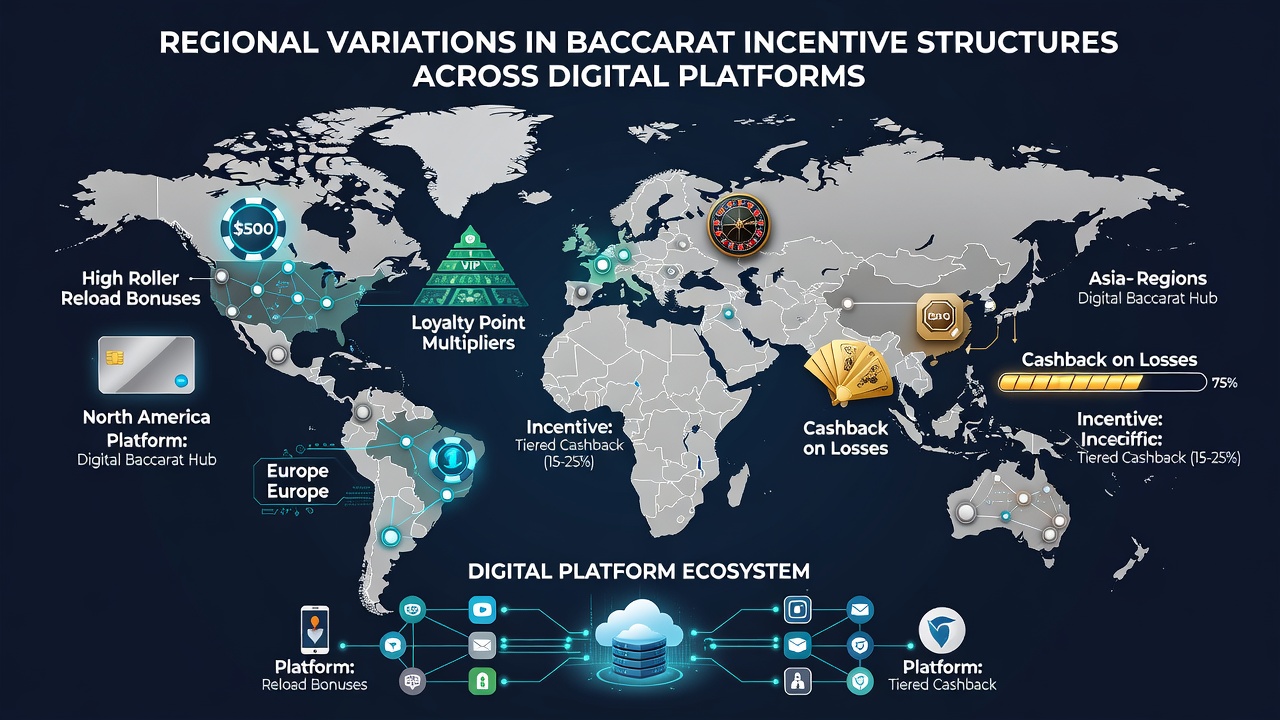
North American operators often tie incentives to state or provincial licensing rules, which means contribution rates and timelines differ sharply between jurisdictions. In contrast, Asian markets emphasize high-stakes loyalty tiers that reward volume through tiered cashback and exclusive event access. European platforms frequently incorporate responsible gaming caps that limit bonus sizes and redemption windows.
North American Approaches to Baccarat Rewards
Operators in regulated North American markets adjust incentive structures around strict contribution percentages and playthrough timelines. Platforms serving players in states like New Jersey or Pennsylvania apply baccarat bets at reduced rates compared with slots, sometimes as low as 10 to 20 percent toward clearing requirements. Data from industry tracking services shows these lower rates help balance house-edge concerns while still encouraging table game participation.
Canadian provinces follow similar patterns yet introduce additional regional twists. Ontario's regulated market requires operators to publish bonus terms in standardized formats, which has led to clearer display of maximum bet limits during promotional play. Meanwhile, platforms targeting British Columbia players often extend reload offers with shorter validity periods, reflecting provincial preferences for controlled spending cycles.
The transition of Hollywood Casino Aurora to a fully land-based facility scheduled for June 2026 has prompted several affiliated digital platforms to realign their baccarat incentive calendars, shifting certain reload structures toward mobile-only campaigns that comply with upcoming operational changes.
Asian Market Emphasis on Volume-Based Incentives
Digital baccarat offerings popular with players across Southeast Asia and greater China typically feature incentive layers built around high turnover thresholds. Cashback percentages rise with monthly wager totals, and many platforms add tournament entries or private dealer sessions as top-tier rewards. These structures align with cultural expectations around extended play sessions and status recognition.
Operators licensed in the Philippines or Macau-adjacent jurisdictions frequently structure welcome incentives as multi-tier deposits where later stages unlock only after substantial initial activity. Observers note that such designs maintain engagement while satisfying local caps on promotional expenditure. Figures released by regional gaming associations indicate average incentive redemption rates in these markets exceed those recorded in Western jurisdictions by noticeable margins.
European Regulatory Influence on Bonus Design
European digital platforms operate under frameworks that cap bonus values and enforce standardized wagering calculations across member states. German and Swedish operators, for instance, apply uniform contribution schedules where baccarat counts at fixed percentages, reducing variability between sites. This consistency stems from cross-border licensing agreements that prioritize transparency over aggressive promotional scaling.
Italian and Spanish markets add another layer through mandatory cooling-off periods attached to certain incentives, meaning players must wait before accessing new offers after redeeming previous ones. Research compiled by the European Gaming and Betting Association highlights how these rules have encouraged platforms to develop hybrid rewards combining cashback with non-cash perks such as merchandise or event invitations.
Australian and Emerging Market Distinctions
Australian-facing platforms navigate strict advertising codes that affect how baccarat incentives appear in promotional materials. Bonus offers often emphasize free play credits rather than deposit matches, and wagering timelines tend to stretch longer to accommodate local player habits. Reports from the Australian Communications and Media Authority document gradual shifts toward personalized loyalty mechanics that adjust reward frequency based on individual session data.
Emerging markets in Latin America and parts of Africa show more experimental structures as regulations evolve. Some operators introduce hybrid models that blend traditional deposit bonuses with cryptocurrency cashback options, responding to regional payment preferences while staying within newly enacted digital gaming guidelines. These adaptations remain fluid as licensing bodies finalize detailed compliance frameworks.
Impact of Platform Architecture on Regional Offers
Mobile application design influences how players access and track regional baccarat incentives. Platforms optimized for markets with high mobile usage, such as parts of Asia, integrate real-time progress meters for wagering requirements directly into live table interfaces. European operators, bound by data protection rules, often separate bonus tracking into standalone dashboards that require additional verification steps.
Those who monitor cross-platform performance data have observed that retrieval rates for baccarat-specific promotions vary according to how seamlessly the interface connects bonus wallets to table limits. Platforms that streamline this connection report steadier engagement across different regulatory environments.
Conclusion
Regional variations in digital baccarat incentive structures continue to reflect the interplay between local regulations, cultural expectations, and technological capabilities. As markets mature and new licensing rounds occur, including developments around June 2026, operators adjust their approaches while maintaining compliance. These ongoing refinements produce a diverse global landscape where incentive designs serve both player engagement goals and regulatory mandates without converging into a single universal model.