13 Jul 2026
Device Portability Redefines Reward Retrieval Patterns Across Remote Table Gaming
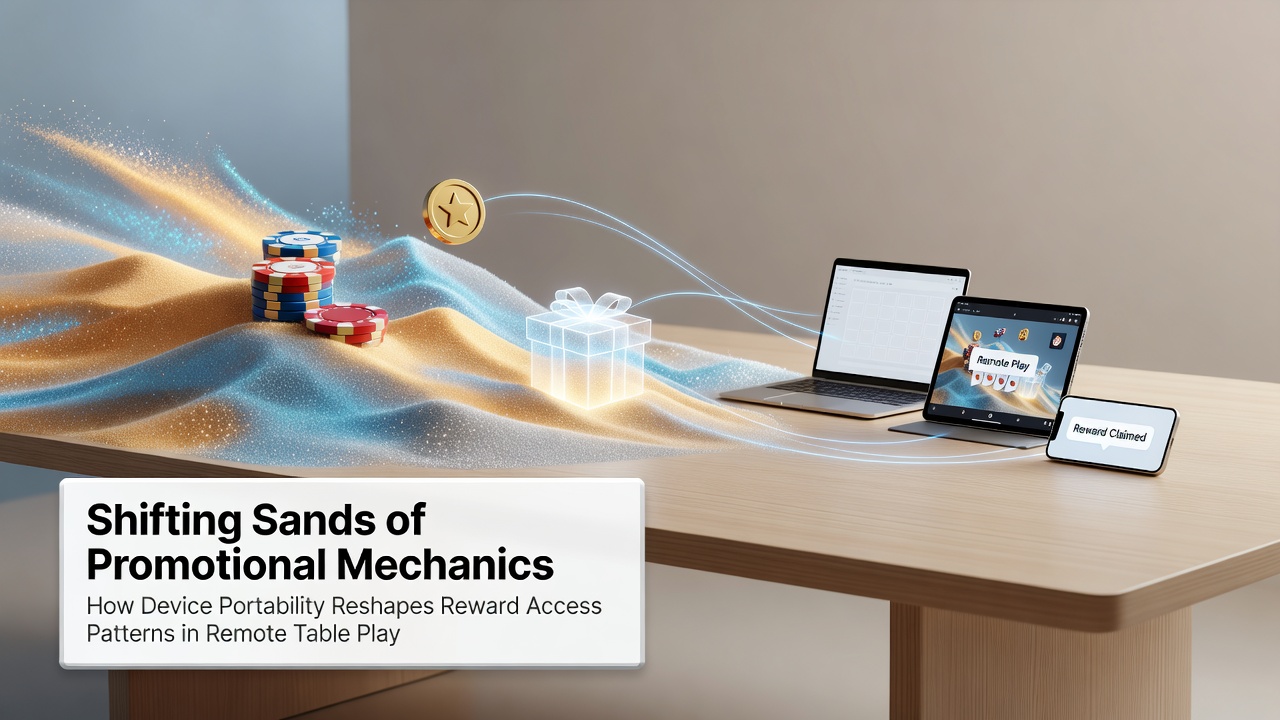
Portable devices continue to alter how players reach promotional rewards during remote table sessions, and this shift has accelerated through mid-2026 as connectivity standards improve across multiple regions. Operators now track engagement metrics that show players accessing bonus structures from smartphones and tablets rather than fixed desktops, which changes both the timing and frequency of reward claims in games such as baccarat and other live dealer formats.
Historical Context of Mobile Integration
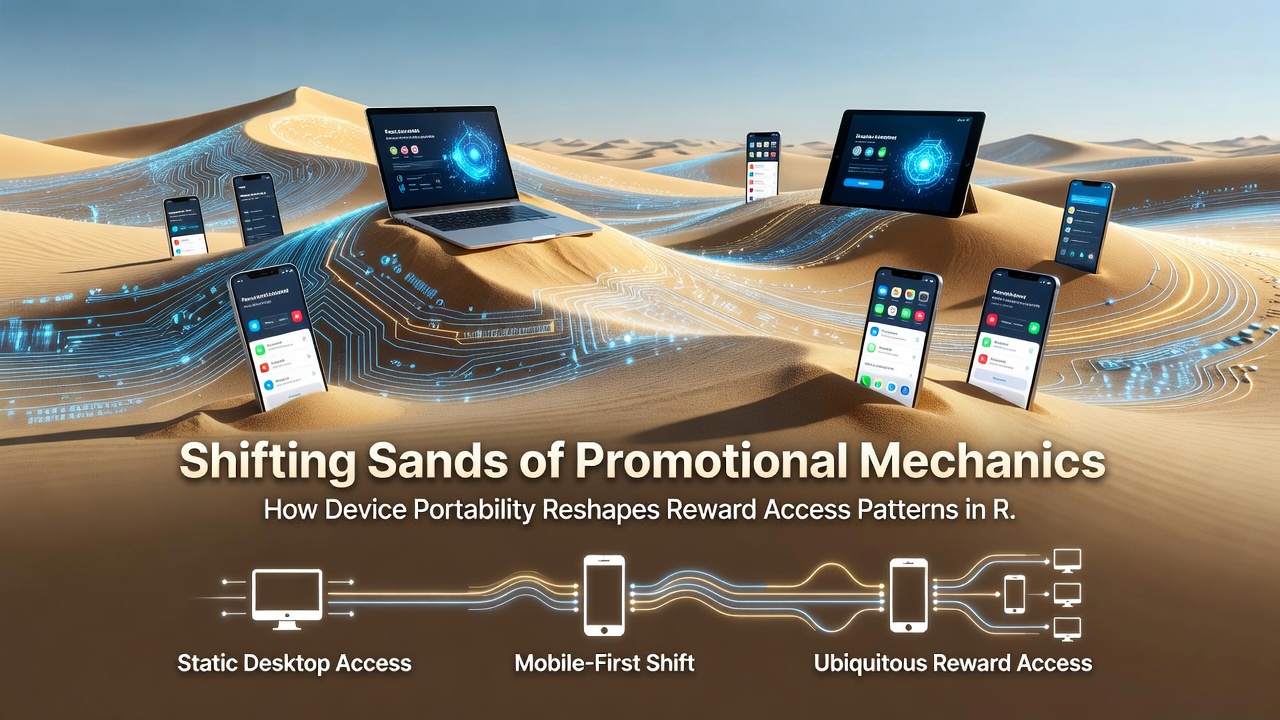
Casino platforms began introducing dedicated mobile interfaces in the early 2010s, yet full portability of promotional tools remained limited until widespread 5G deployment and improved cross-device synchronization arrived. Early systems required players to complete bonus activation steps on the same device used for registration, which restricted access when users switched locations or hardware. Recent platform updates allow seamless transfer of active promotions between devices while maintaining compliance with jurisdictional rules that govern player verification and reward eligibility.
Current Mechanics Driving Access Changes
Modern reward systems rely on cloud-based account profiles that update in real time when a player opens a mobile application or responsive browser session. This architecture supports instant notification of new offers, deposit matches, or cashback opportunities tied to table game activity. Data collected by industry monitoring services indicates mobile sessions now account for the majority of bonus redemptions in remote table environments, particularly during evening hours when users move between home, travel, and social settings. The mechanics also incorporate geolocation checks that adjust available promotions according to local regulations without interrupting the session flow.
Regional Regulatory Influences on Portability
Jurisdictions have adapted oversight procedures to accommodate device mobility. The New Jersey Division of Gaming Enforcement published updated guidelines in early 2026 that clarify how operators must log device switches during active bonus periods. Similar frameworks in Canadian provinces emphasize continuous authentication across portable hardware to prevent unauthorized transfers of promotional credits. These rules require platforms to maintain audit trails that record every access point while still permitting players to claim rewards from any approved device within the licensed area.
What's notable is the way these regulatory adjustments align with player behavior data. Reports from academic research centers show that users who switch devices mid-session tend to extend their table game participation when promotional balances remain accessible without additional verification steps. The same studies document reduced abandonment rates for time-sensitive offers when mobile push notifications replace email-only delivery.
Engagement Metrics and Platform Adaptations
Analytics platforms now segment reward access data by device type and session duration, revealing patterns that operators use to refine promotional structures. Mobile users demonstrate higher interaction with layered bonus offers that combine table game contributions with progressive jackpot entries. Desktop sessions, by contrast, still dominate longer analytical reviews of wagering requirements and historical performance tracking. Platforms respond by designing hybrid interfaces that preserve full functionality across screen sizes while prioritizing quick-redeem buttons for portable devices.
July 2026 brought additional visibility into these trends through quarterly reports released by several state gaming agencies. Figures compiled across multiple markets indicate a steady rise in cross-device bonus claims, with mobile accounting for over sixty percent of total redemptions in remote table categories. Operators cite these statistics when adjusting contribution rates and eligibility windows to match observed player movement patterns.
Technical Infrastructure Supporting the Shift
Backend systems employ API frameworks that synchronize player wallets, active promotions, and game history across devices without requiring manual intervention. Security protocols include device fingerprinting combined with biometric options available on modern smartphones, which reduces friction during reward access. These measures also help platforms comply with responsible gaming tools that allow session limits to travel with the account regardless of hardware used.
One study conducted by a European research consortium examined how these technical changes affect reward utilization rates. Results indicated that players who frequently switch between portable devices complete promotional playthrough requirements at rates comparable to single-device users, provided the interface maintains consistent navigation across platforms. The findings suggest that accessibility improvements rather than device count drive completion metrics.
Conclusion
Device portability has established new patterns for reward access in remote table gaming by enabling continuous engagement across locations and hardware. Regulatory bodies in multiple regions continue to refine rules that balance player convenience with compliance requirements, while platforms adjust their systems to match documented usage trends. Observers note that these developments remain ongoing as connectivity technology and player expectations evolve through the remainder of 2026 and beyond.