15 Jun 2026
Detroit Casinos Report Modest Revenue Growth in May 2026 Compared to Prior Year
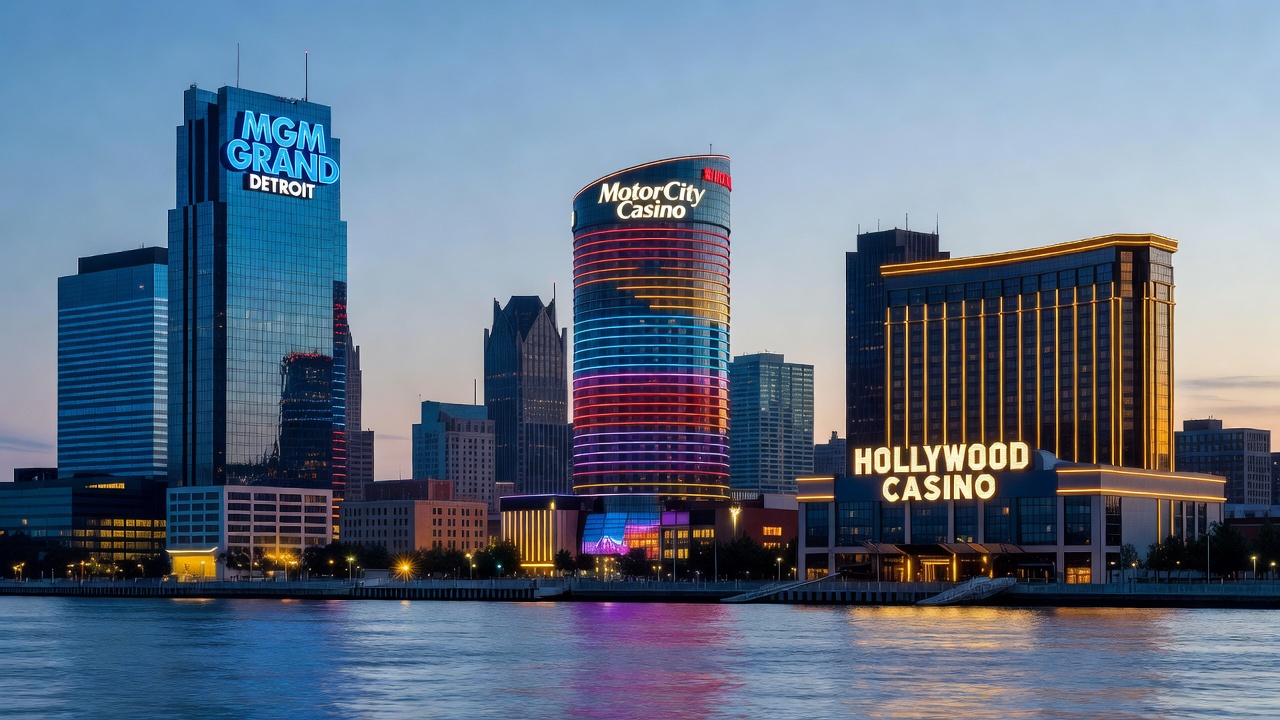
Detroit’s three commercial casinos posted combined revenue of $114.09 million during May 2026, according to figures released by industry tracking sources, and this total reflects activity across MGM Grand Detroit, MotorCity Casino along with Hollywood Casino at Greektown. Table games and slots generated $113.31 million while retail sports betting contributed the remaining $781,668. The overall amount marks a 0.5 percent increase from the same month in 2025 yet sits 4.0 percent below April 2026 results. Year-to-date revenue through the first five months of 2026 reached levels 1.2 percent higher than the comparable period a year earlier.
Revenue Sources and Property Breakdown
Table games and slots formed the core of operations at all three locations, while sports betting remained a smaller but consistent segment. MGM Grand Detroit, MotorCity Casino and Hollywood Casino at Greektown each contributed to the aggregate without any single property dominating the reported totals. Observers note that retail sports betting activity stayed steady across the month even as overall wagering volume fluctuated with seasonal patterns common in the Midwest gaming market.
Data indicates the $114.09 million figure emerged after standard deductions for promotional play and other adjustments typical in monthly filings. Those who track Michigan gaming performance often compare these monthly snapshots to identify trends in visitor volume and average spend per patron. The three properties continue to operate under the regulatory framework established by state oversight bodies that require detailed revenue reporting each month.
Year-over-Year and Sequential Comparisons
Revenue climbed 0.5 percent versus May 2025, which demonstrates resilience in core table and slot play despite broader economic variables affecting discretionary spending. Yet the 4.0 percent decline from April 2026 aligns with patterns seen in prior years when spring transitions into early summer and certain events draw attention away from casino floors. Year-to-date growth of 1.2 percent through May suggests the market maintains a slight upward trajectory when viewed across multiple months rather than isolated periods.
Those who monitor casino performance note that such month-to-month shifts frequently occur because of calendar differences, weather influences and competing entertainment options in the Detroit metropolitan area. The modest year-over-year gain stands out because several competing regional markets reported flatter or slightly lower results during the same timeframe according to aggregated industry data.
Tax Contributions to State and Local Governments
The casinos remitted $9.18 million in state gaming taxes for the month while also directing additional payments to the city of Detroit under existing local agreements. These tax figures derive directly from reported revenue and follow formulas set by Michigan legislation that allocates portions to education, public safety and municipal budgets. Observers note that consistent tax flows from the three properties support ongoing city services even when monthly revenue experiences minor fluctuations.
State regulators compile these payments as part of broader fiscal tracking that helps project annual contributions from the gaming sector. The combined state and local remittances for May 2026 fit within historical ranges established since commercial casino operations began in Detroit more than two decades ago. Analysts who review public records find that such tax data often serves as a reliable indicator of overall industry health in the region.
Context Within Michigan Gaming Landscape
Michigan’s commercial casino market operates alongside tribal gaming facilities and online options that launched in recent years, yet the three Detroit properties retain a distinct role as the state’s primary urban gaming destinations. Revenue reports like the May 2026 release provide snapshots that help stakeholders assess how physical properties perform relative to expanded digital betting channels. The modest growth recorded this May occurs as operators prepare for typical summer patterns that often include increased tourism around major events and holidays.
Figures released in early June 2026 capture activity through the end of May and allow direct comparison with prior periods. Researchers who examine long-term trends point out that Detroit’s market has shown steady recovery characteristics following pandemic disruptions, with monthly totals now frequently surpassing pre-2020 benchmarks when adjusted for inflation and operational changes. The current data set adds another data point to that ongoing recovery narrative.
Conclusion
The May 2026 revenue report from Detroit’s three commercial casinos supplies concrete numbers that reflect both stability and typical seasonal variation within the local market. Combined totals, source breakdowns, period comparisons and tax remittances all appear in official filings that remain available for public review. Those who follow Michigan gaming developments will watch subsequent months to determine whether the slight year-to-date uptick continues through the remainder of 2026. The data released this month fits established reporting rhythms and offers another benchmark for evaluating performance across MGM Grand Detroit, MotorCity Casino and Hollywood Casino at Greektown.